Yandangshan Hub Attracts AI Tourism Startups
Sep 28, 2026
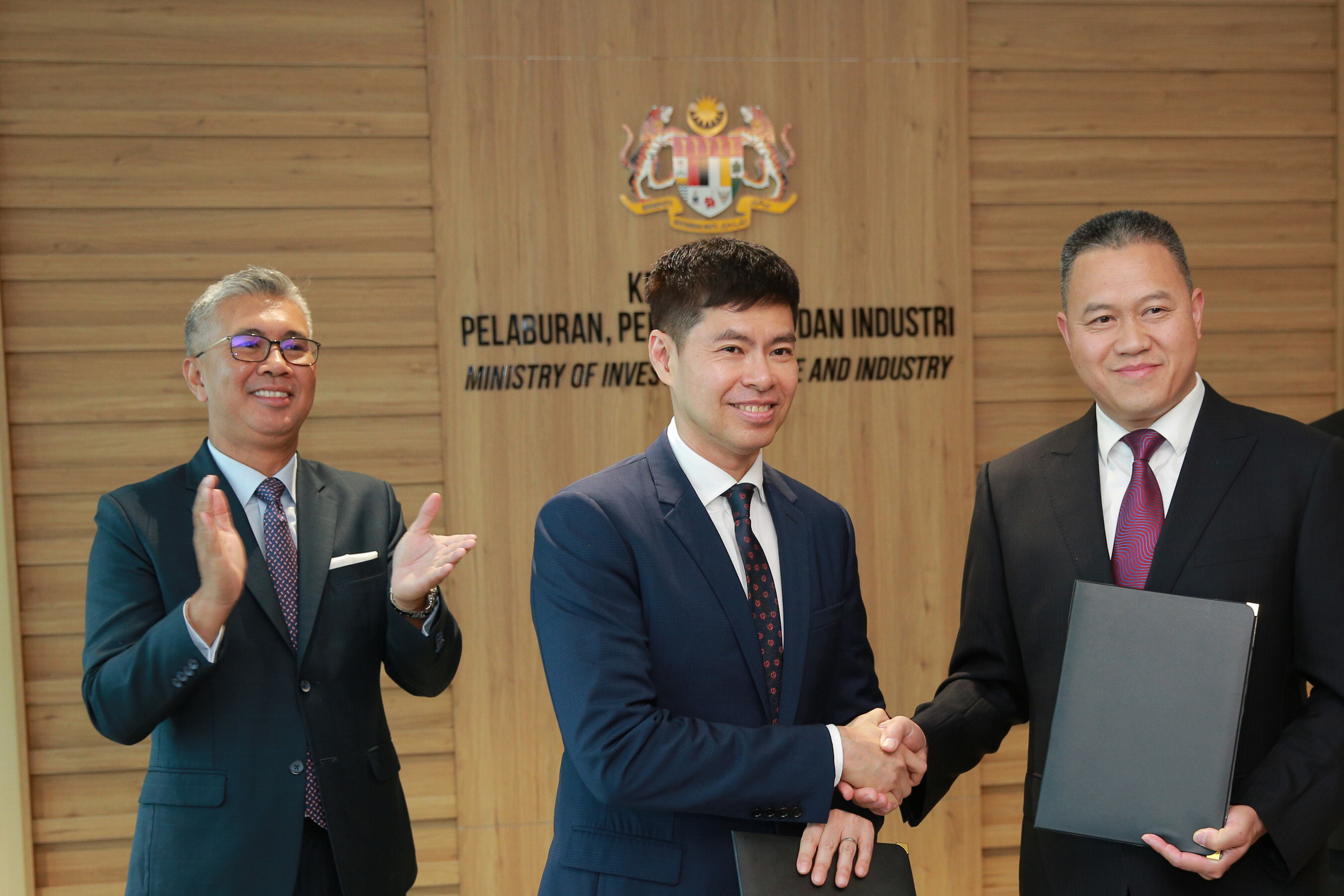
MY E.G. Services Berhad and Guangxi Beitou IT Innovation Technology Investment Group have signed an agreement to establish the Malaysia-China AI Innovation and Cooperation Centre, a flagship AI lab in Malaysia. This initiative, announced in a press release, aims to foster collaboration between China and ASEAN countries in the fields of AI, blockchain, and robotics.
The lab, located at Zetrix Tower in Petaling Jaya, will focus on developing localized AI products and cross-border applications. It will involve participation from leading companies such as Deepseek, DJI, Leju Robot, Huawei Technologies, and Alibaba Group. The first service to be introduced will be the mutual recognition of national Digital IDs between Malaysia and China, starting with Guangxi Province.
The Guangxi provincial government has committed RMB10 billion to support the development of projects under the China-ASEAN program. This collaboration is expected to enhance AI capabilities and foster technological advancements in the region.
Consider subscribing to one of our newsletters like Enterprise AI Brief or Daily AI Brief.
Also, consider following us on social media:
Weekly report on AI business applications, enterprise software releases, automation tools, and industry implementations.


 Tensordyne
This Tensordyne whitepaper presents Napier, an inference-focused AI processor and rack-scale system based on the company’s TDN Math logarithmic number system. It examines infrastructure requirements for large mixture-of-experts and agentic models, compares major inference architecture approaches, and details the TDN AIP processor, TDN72 pod, TDN Link fabric, and Napier Ultra configuration. The paper reports simulation-based performance, cost, and accuracy-validation results, including Tensordyne’s projected comparison of one Napier rack with a nine-rack Nvidia Rubin plus Groq deployment; the chip is reported as taped out and in fabrication.
Read moreDaily AI Brief: the AI news that matters, in your inbox.