U.S. Army Awards webAI $14.5 Million Tactical AI Contract
Oct 08, 2026
Defense
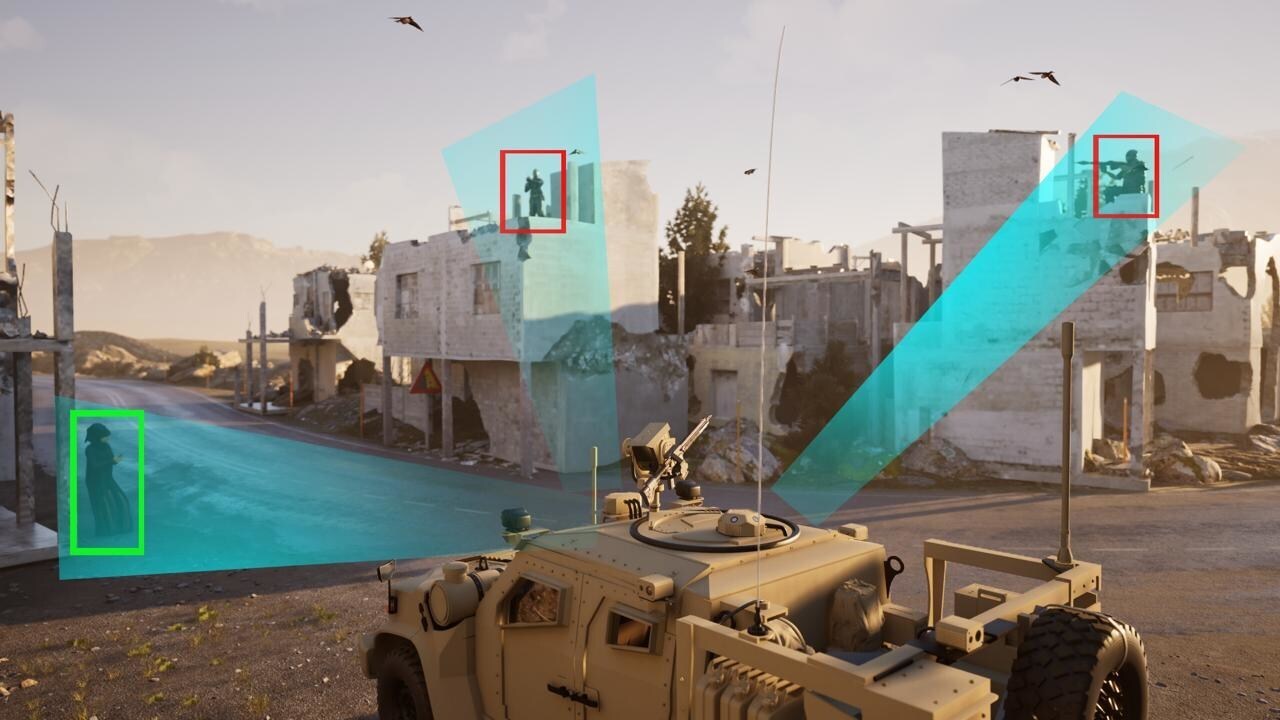
Axon Vision has secured a $2 million order from an Israeli defense customer, announced in a press release. The order includes advanced upgrade kits for Remote-Controlled Weapon Stations (RCWS), featuring the "AI Core" computing unit and EdgeRCWS software.
These AI-powered solutions transform conventional weapon stations into intelligent systems capable of detecting and responding to aerial and ground threats in real time. The EdgeRCWS system enhances detection and engagement ranges, shortens the sensor-to-shooter loop, and enables smart fire sequences, providing a decisive response to evolving threats.
The order highlights the growing demand for Axon Vision's innovative AI solutions, with potential for substantial follow-on orders. The company continues to expand its activities both in Israel and internationally, driven by the increasing need for advanced defense technologies.
Consider subscribing to one of our newsletters like Defense AI Brief or Daily AI Brief.
Also, consider following us on social media:
Your weekly intelligence briefing on the technology shaping modern warfare and national security.


 Tensordyne
This Tensordyne whitepaper presents Napier, an inference-focused AI processor and rack-scale system based on the company’s TDN Math logarithmic number system. It examines infrastructure requirements for large mixture-of-experts and agentic models, compares major inference architecture approaches, and details the TDN AIP processor, TDN72 pod, TDN Link fabric, and Napier Ultra configuration. The paper reports simulation-based performance, cost, and accuracy-validation results, including Tensordyne’s projected comparison of one Napier rack with a nine-rack Nvidia Rubin plus Groq deployment; the chip is reported as taped out and in fabrication.
Read moreDaily AI Brief: the AI news that matters, in your inbox.