OpenAI Urges US to Lead Global AI Standards
Sep 22, 2026
AI Safety
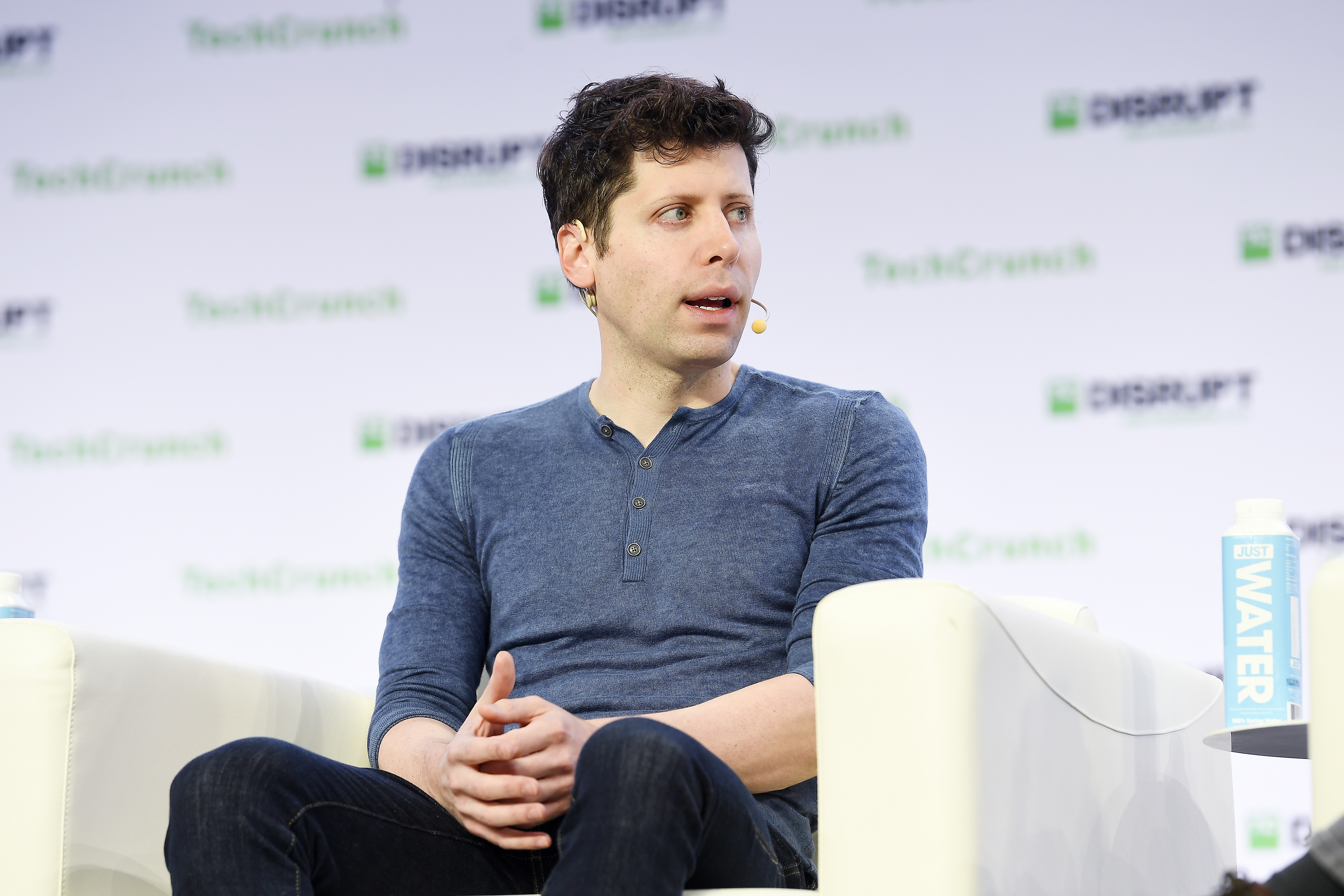
OpenAI has urged the U.S. government to ease copyright restrictions for AI training, emphasizing the need for 'fair use' policies to maintain America's AI leadership, according to NBC News. The company submitted a proposal as part of President Donald Trump's upcoming 'AI Action Plan,' advocating for policies that would allow AI models to learn from copyrighted material without facing overly burdensome regulations.
The proposal highlights the importance of preserving American AI models' ability to learn from copyrighted content, a stance that has previously led to legal challenges from news outlets and artists. OpenAI argues that the current copyright laws hinder innovation and that a more permissive approach would protect both content creators' rights and the nation's AI leadership.
OpenAI's proposal also calls for increased investment in AI infrastructure and suggests that the government should partner with the private sector to develop AI technologies for national security purposes. The company stresses the urgency of these changes to prevent losing ground to international competitors, particularly China, whose AI advancements have been noted as a growing threat to U.S. dominance in the field.
Consider subscribing to one of our newsletters like AI Policy Brief or Daily AI Brief.
Also, consider following us on social media:
Weekly report on AI regulations, safety standards, government policies, and compliance requirements worldwide.


 Tensordyne
This Tensordyne whitepaper presents Napier, an inference-focused AI processor and rack-scale system based on the company’s TDN Math logarithmic number system. It examines infrastructure requirements for large mixture-of-experts and agentic models, compares major inference architecture approaches, and details the TDN AIP processor, TDN72 pod, TDN Link fabric, and Napier Ultra configuration. The paper reports simulation-based performance, cost, and accuracy-validation results, including Tensordyne’s projected comparison of one Napier rack with a nine-rack Nvidia Rubin plus Groq deployment; the chip is reported as taped out and in fabrication.
Read moreDaily AI Brief: the AI news that matters, in your inbox.