CropX Acquires SCIO for Agronomic Intelligence Platform
Aug 26, 2026
Acquisitions
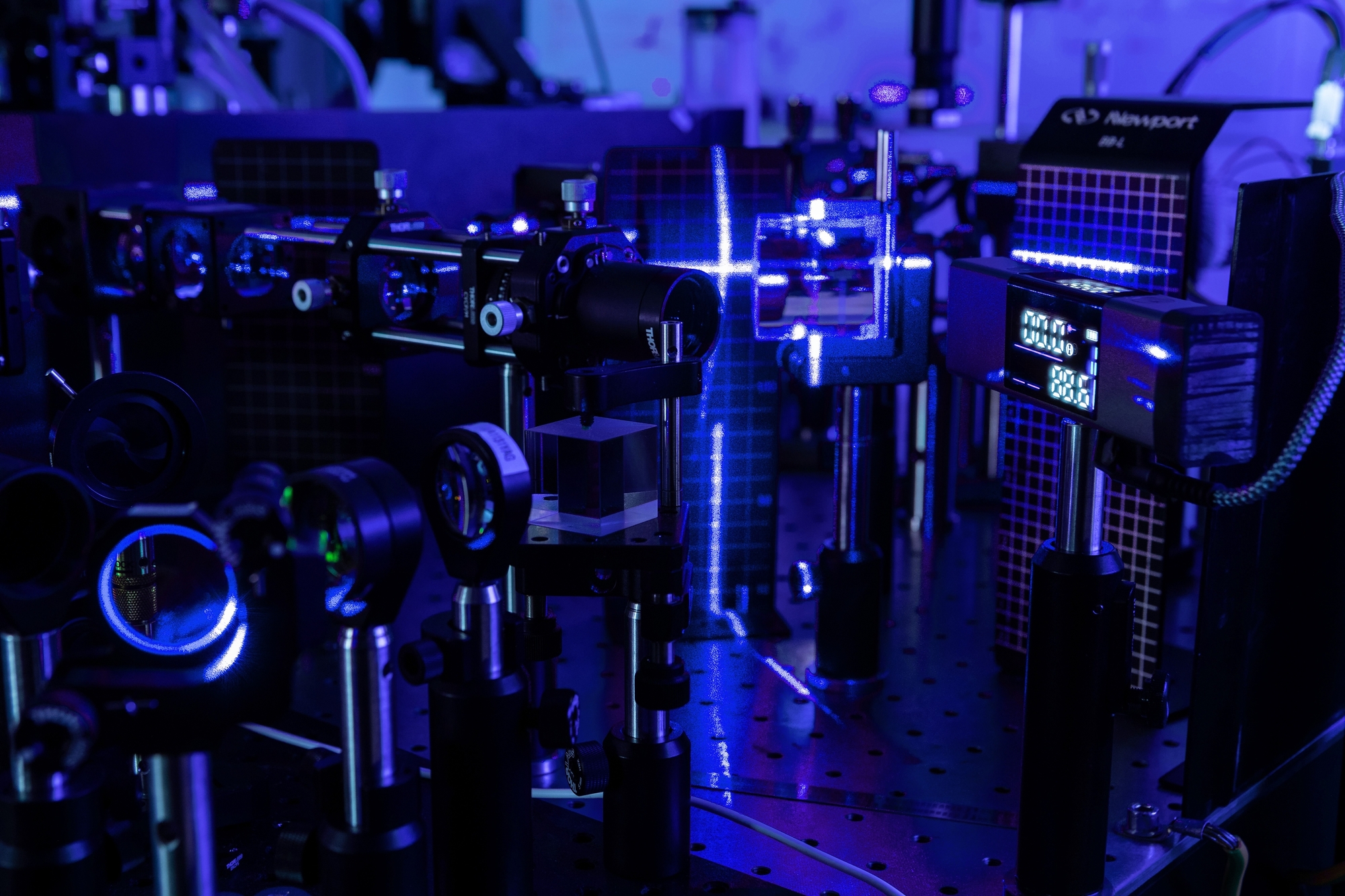
CollPlant Biotechnologies has completed its acquisition of LightSolver, the company announced in a press release. The deal brings CollPlant into photonic and high performance computing while it continues its regenerative medicine operations.
LightSolver is developing a Laser Processing Unit, an all optical computing platform for workloads including scientific simulations, linear systems, optimization, and partial differential equations. Its potential uses include aerospace, defense, energy, engineering, financial services, and physical AI.
CollPlant issued ordinary shares and prefunded warrants as upfront consideration and invested $5 million in LightSolver. Additional warrants may become exercisable if specified technology and commercial milestones are reached.
LightSolver will use the resources to advance commercialization, partnerships, and its technology roadmap. CollPlant said its healthcare business remains focused on recombinant human collagen, tissue and organ bioprinting, tissue repair, and medical aesthetics.
Consider subscribing to one of our newsletters like AI Funding Brief, Silicon Brief or Daily AI Brief.
Also, consider following us on social media:


 Tensordyne
This Tensordyne whitepaper presents Napier, an inference-focused AI processor and rack-scale system based on the company’s TDN Math logarithmic number system. It examines infrastructure requirements for large mixture-of-experts and agentic models, compares major inference architecture approaches, and details the TDN AIP processor, TDN72 pod, TDN Link fabric, and Napier Ultra configuration. The paper reports simulation-based performance, cost, and accuracy-validation results, including Tensordyne’s projected comparison of one Napier rack with a nine-rack Nvidia Rubin plus Groq deployment; the chip is reported as taped out and in fabrication.
Read more