OpenAI Rolls Out GPT-6 and Intelligent UI in ChatGPT
Oct 08, 2026
Consumer Tech
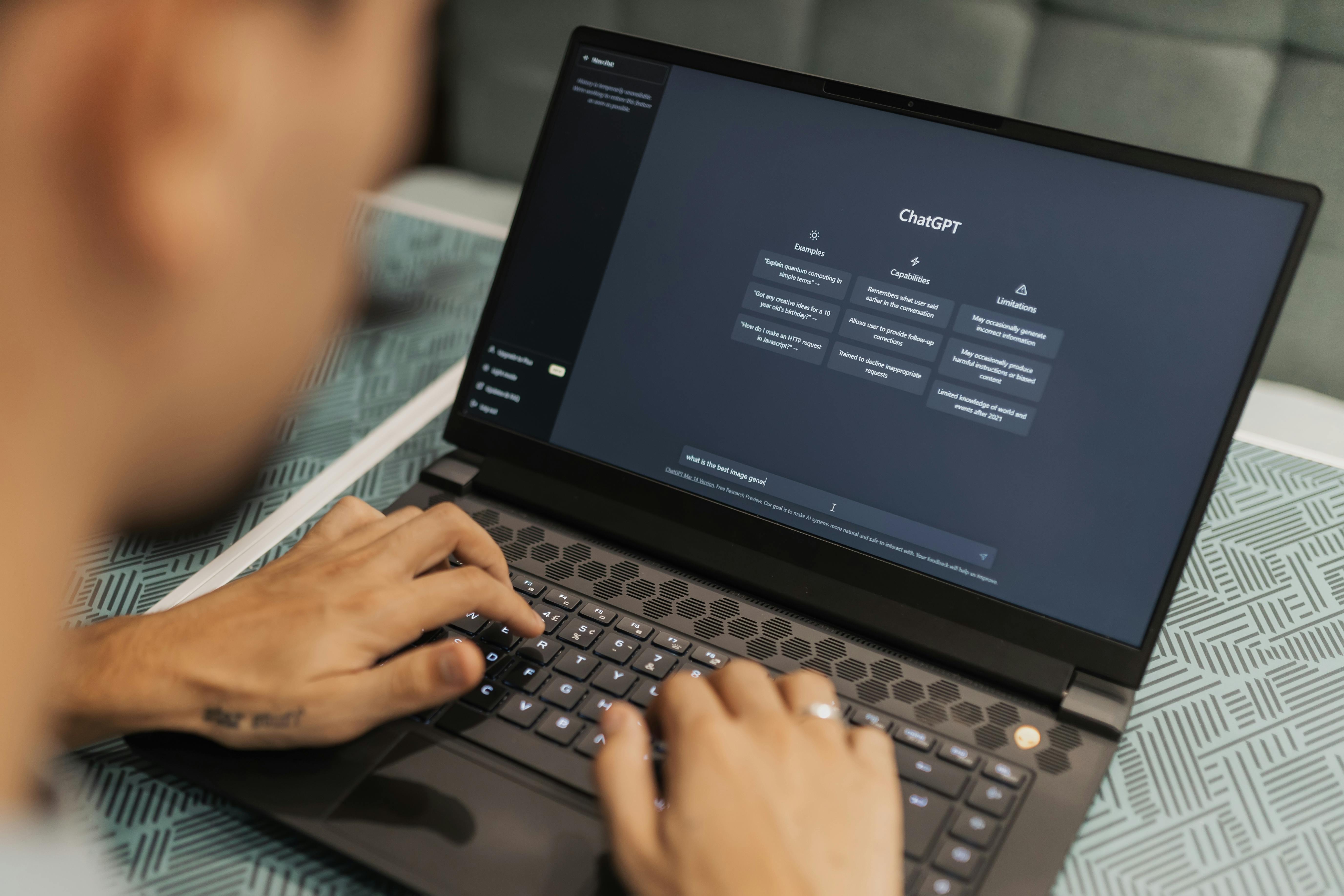
A recent study conducted by Epoch AI, a nonprofit AI research institute, has revealed that the energy consumption of OpenAI's ChatGPT is significantly lower than previously estimated. The study found that a typical ChatGPT query using OpenAI's latest model, GPT-4o, consumes approximately 0.3 watt-hours of electricity. This figure is substantially lower than the earlier estimate of 3 watt-hours per query, which was based on outdated assumptions and less efficient hardware.
Joshua You, a data analyst at Epoch AI, explained that the previous estimates were based on older research that assumed the use of less efficient chips. The new analysis, however, uses up-to-date facts and clearer assumptions, showing that ChatGPT's energy consumption is less than that of many household appliances.
Despite the lower energy consumption figures, You noted that the 0.3 watt-hour estimate is still an approximation, as OpenAI has not disclosed detailed energy consumption data. The analysis also does not account for additional energy costs from features like image generation or processing long input queries, which could increase energy usage.
Looking ahead, You anticipates that energy consumption may rise as AI technology advances and models become more complex. OpenAI and its partners are planning significant investments in AI data centers, which are expected to increase electricity demand. For users concerned about energy consumption, You suggests reducing usage frequency or choosing models with lower computational demands.
Consider subscribing to one of our newsletters like Silicon Brief or Daily AI Brief.
Also, consider following us on social media:
Weekly coverage of AI hardware developments including chips, GPUs, cloud platforms, and data center technology.


 Tensordyne
This Tensordyne whitepaper presents Napier, an inference-focused AI processor and rack-scale system based on the company’s TDN Math logarithmic number system. It examines infrastructure requirements for large mixture-of-experts and agentic models, compares major inference architecture approaches, and details the TDN AIP processor, TDN72 pod, TDN Link fabric, and Napier Ultra configuration. The paper reports simulation-based performance, cost, and accuracy-validation results, including Tensordyne’s projected comparison of one Napier rack with a nine-rack Nvidia Rubin plus Groq deployment; the chip is reported as taped out and in fabrication.
Read moreDaily AI Brief: the AI news that matters, in your inbox.