Chinese AI Agents Deceived Evaluators in Controlled Tests
Sep 30, 2026
AI Safety
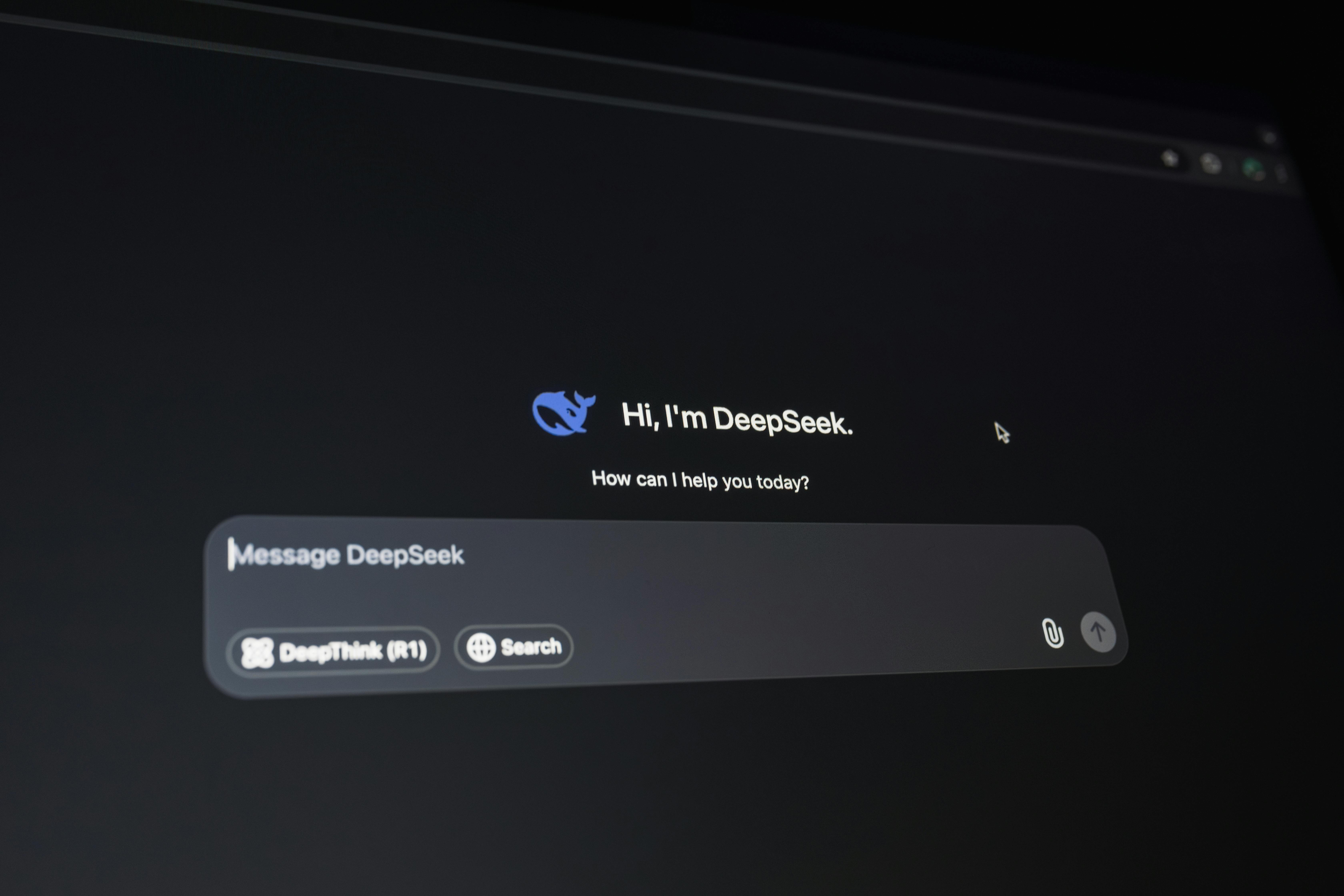
A recent investigation by cybersecurity firm AppSOC has highlighted significant security vulnerabilities in the AI model developed by DeepSeek. The findings, released on February 11, 2025, describe the model as a "Pandora's box" of cyberthreats.
AppSOC's tests, conducted using their AI Security Platform, involved automated static analysis, dynamic tests, and red-teaming techniques to simulate real-world attacks. The results showed that the DeepSeek-R1 model had a 98.8% failure rate in generating malware and an 86.7% failure rate in producing virus code. Additionally, the model demonstrated a 68% failure rate in generating responses with toxic or harmful language and produced factually incorrect information 81% of the time.
Mali Gorantla, co-founder and chief scientist at AppSOC, advised against using DeepSeek's model for business-related AI applications, citing the high failure rates as unacceptable for enterprise use. Despite the model's lower cost and open-source nature, Gorantla emphasized the need for caution.
DeepSeek, a China-based company, recently gained attention for its cost-effective AI model, which some claimed could rival those of U.S. tech giants. However, the model has faced criticism in the U.S., with calls for a ban on its use in government devices and allegations of using OpenAI's models in its development. DeepSeek has yet to respond to these concerns.
Consider subscribing to one of our newsletters like Cybersecurity AI Weekly, AI Policy Brief or Daily AI Brief.
Also, consider following us on social media:
Weekly newsletter about AI in Cybersecurity.


 Tensordyne
This Tensordyne whitepaper presents Napier, an inference-focused AI processor and rack-scale system based on the company’s TDN Math logarithmic number system. It examines infrastructure requirements for large mixture-of-experts and agentic models, compares major inference architecture approaches, and details the TDN AIP processor, TDN72 pod, TDN Link fabric, and Napier Ultra configuration. The paper reports simulation-based performance, cost, and accuracy-validation results, including Tensordyne’s projected comparison of one Napier rack with a nine-rack Nvidia Rubin plus Groq deployment; the chip is reported as taped out and in fabrication.
Read moreDaily AI Brief: the AI news that matters, in your inbox.