Delta and NVIDIA Collaborate on Level 4 Autonomous Driving
Sep 29, 2026
Autonomous Vehicles
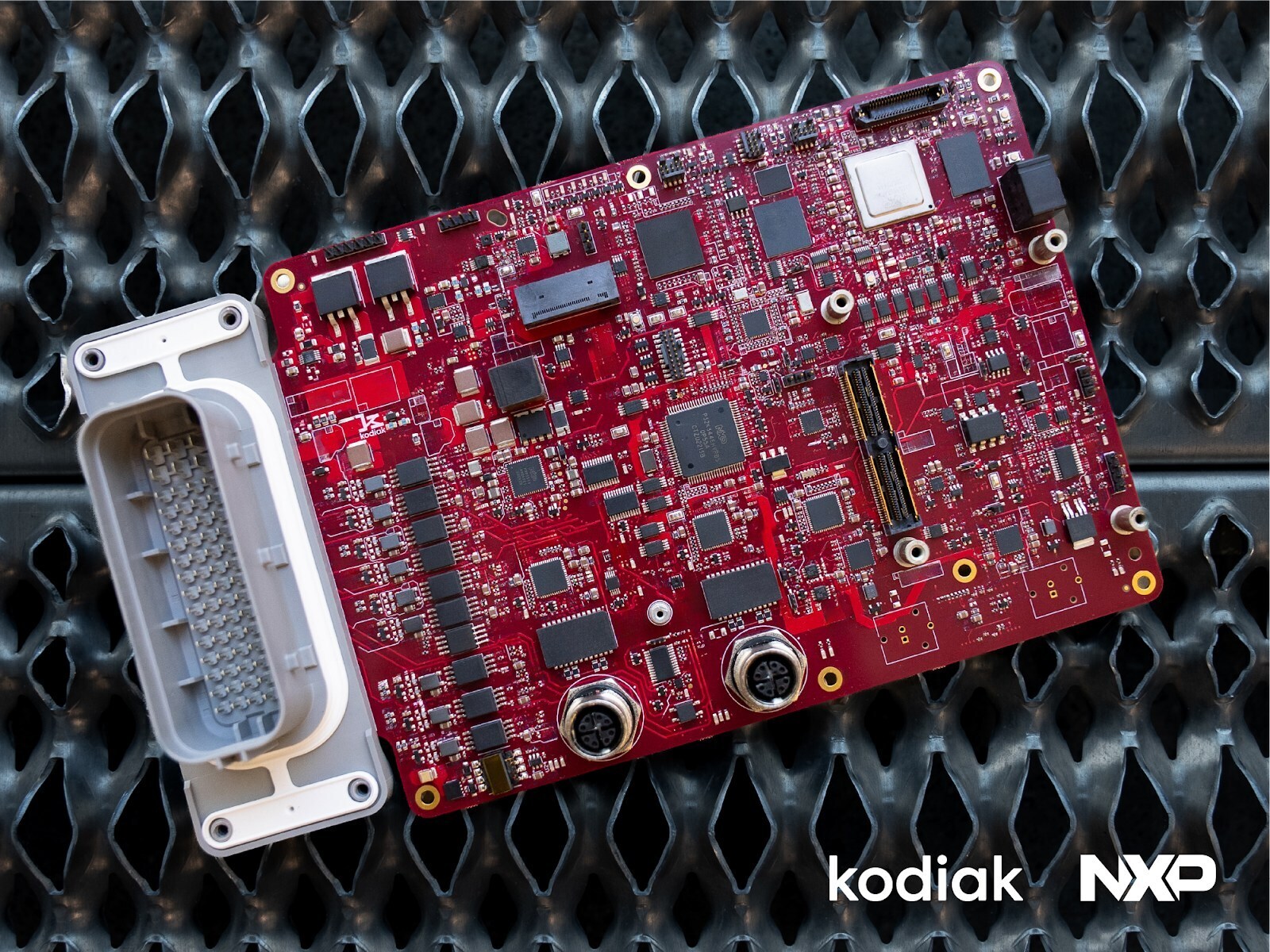
Kodiak Robotics has integrated NXP Semiconductors' ISO 26262-compliant processors and interfaces to enhance the performance and safety of its autonomous trucks, announced in a press release. The integration includes NXP's S32G3 vehicle network processor, S32K3 microcontroller, and PMIC solutions, which support Kodiak's AI-powered autonomous system's controls for redundant braking, steering, and throttle.
NXP's processors are integrated into Kodiak's Actuation Control Engine (ACE), a custom-designed computer that manages vehicle actuation independently from the main autonomy system. This setup allows the Kodiak Driver, Kodiak's AI-powered autonomous system, to execute safe fallback maneuvers and bring a vehicle to a controlled stop if any safety-critical component fails.
The NXP solutions enable critical functions such as vehicle performance monitoring, evaluating over 1,000 safety-critical processes and components ten times per second. This integration aims to improve the Kodiak Driver's reliability and robustness, supporting self-diagnostic capabilities and enhancing vehicle uptime. NXP's solutions are compliant with the highest ISO 26262 safety integrity level, ASIL-D, ensuring fewer than ten failures in one billion hours of operation.
Consider subscribing to one of our newsletters like Robotics Brief or Daily AI Brief.
Also, consider following us on social media:
Weekly coverage of AI-driven robotics advances in industrial automation, autonomous vehicles, and robotic systems.


This industry analysis by The Hackett Group explores the transformative impact of generative artificial intelligence (Gen AI) on global business services (GBS) in 2025. The study highlights the shift from exploration to acceleration of Gen AI initiatives, with 89% of executives advancing these projects to improve customer satisfaction, innovate products, and reduce costs. The report also discusses the challenges and strategies for successful Gen AI adoption, emphasizing the need for a technology-enabled operating model and the importance of reskilling the workforce.
Read moreDaily AI Brief: the AI news that matters, in your inbox.