Danaher Plans AI Autonomous Lab for Antibody Research
Oct 07, 2026
Robotics
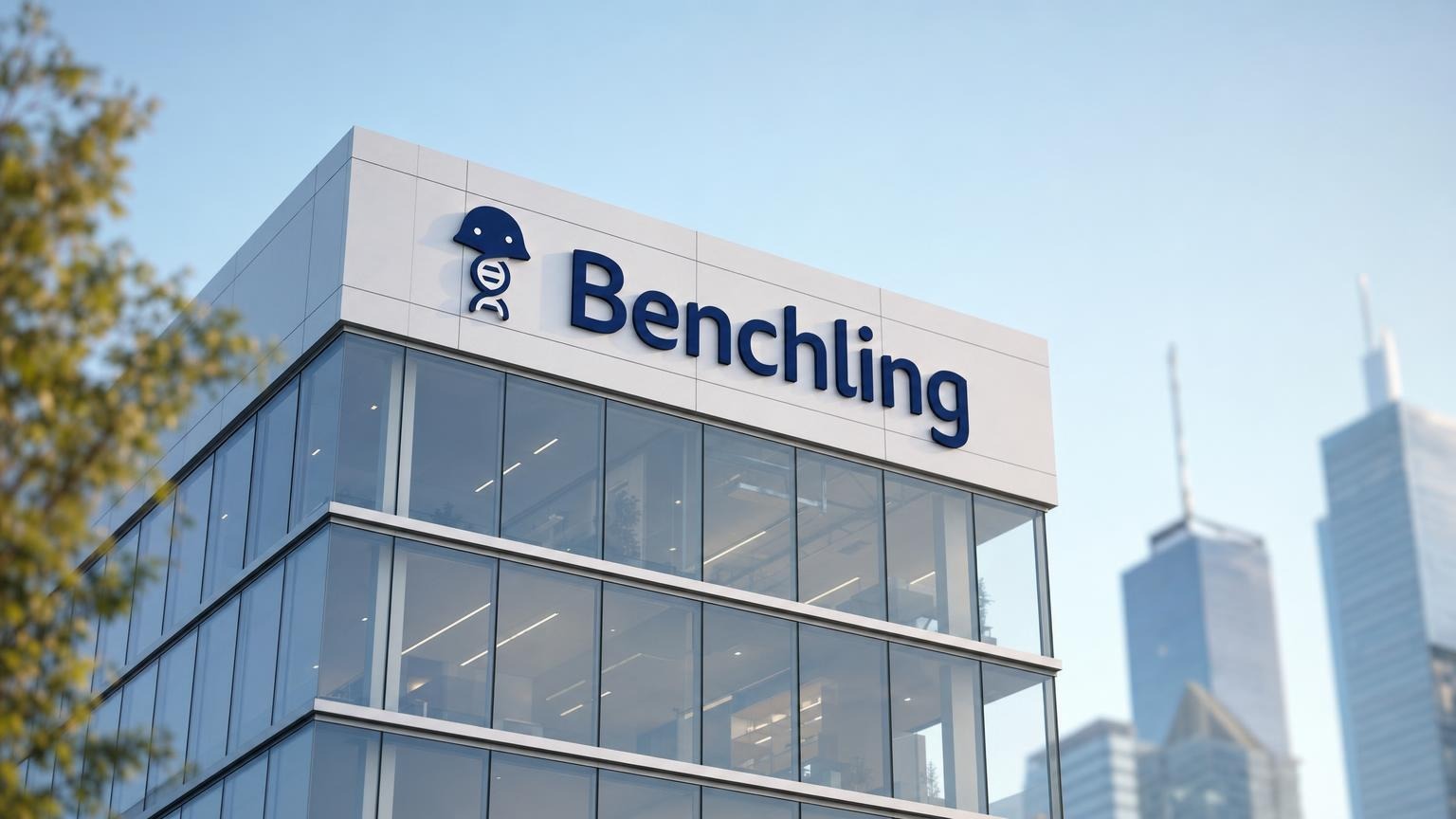
Benchling launched Science Foundries in a press release, offering workflows that coordinate AI agents and scientists across research processes. Customers can now configure a Foundry for work such as protein production, screening, assay development, method development and studies involving living organisms.
Research teams select a process or goal, assign steps to agents and specify where scientists must approve work. Agents can then coordinate models, research partners and lab instruments, manage handoffs, monitor tasks and present decisions using shared scientific data.
In one antibody research workflow, separate agents design and evaluate sequences, prepare assembly strategies, place orders, send instructions to lab equipment, capture results, perform quality control and update training data. Parabilis Medicines is also deploying Science Foundries for protein production, screening and lead optimization.
Consider subscribing to one of our newsletters like Life AI Weekly or Daily AI Brief.
Also, consider following us on social media:
Weekly coverage of AI applications in healthcare, drug development, biotechnology research, and genomics breakthroughs.


This industry analysis by The Hackett Group explores the transformative impact of generative artificial intelligence (Gen AI) on global business services (GBS) in 2025. The study highlights the shift from exploration to acceleration of Gen AI initiatives, with 89% of executives advancing these projects to improve customer satisfaction, innovate products, and reduce costs. The report also discusses the challenges and strategies for successful Gen AI adoption, emphasizing the need for a technology-enabled operating model and the importance of reskilling the workforce.
Read moreDaily AI Brief: the AI news that matters, in your inbox.